Outcome Evaluation of the National Strategy “Bridge to Development“ in Costa Rica
This outcome evaluation sought to determine whether the National strategy had contributed to mitigating extreme poverty among beneficiary families and to assess the differential effects in the six dimensions identified as determinants of poverty in its framework.
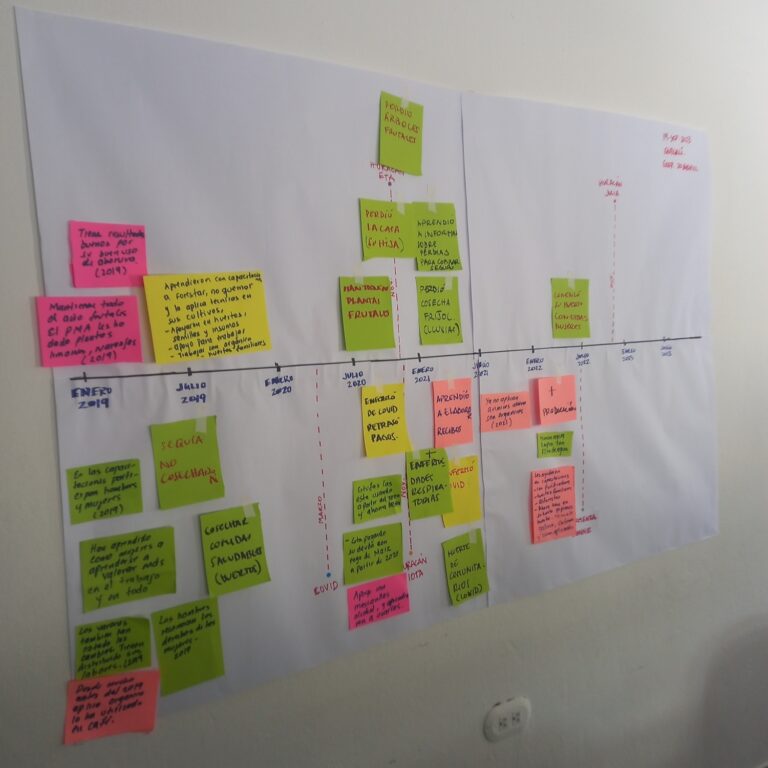
The evaluation was conducted using a Quasi-experimental methodological design, which enabled the triangulation of the data obtained and the formulation of robust findings. Impact evaluation methods were used with counterfactuals (differences with and without matching through Propensity Score Matching), and multivariable analysis techniques (discriminant analysis). Qualitative techniques were also employed to provide a in depth-analysis of the cases, with individual and group semi-structured interviews, focus groups, and on-site identification.
This evaluation provided the necessary elements for the Government’s accountability, as well as for learning and implementing improvement actions for the Strategy’s implementation in its second phase.